

Building a Flutter App for E-commerce: How to Reduce Development Costs Without Sacrificing UX
1. The Reasons Flutter is Disrupting Could Change Everything We Know About E-commerce App Development
On every side of the sales experience, the eCommerce landscape is changing at extreme speeds. Customers are looking for easy to purchase experiences, brands must be able to deliver them across platform channels. Enter Flutter, Google’s cross-platform framework that is flipping the script.
In stark contrast to traditional development methodologies that will often require the developer to write separate code bases for iOS and Android, Flutter affords businesses the advantage of building once and deploying on all platforms. The outcome is faster time to market, cost savings and consistent performance across end users device types, the three Flutter eCommerce app advantages every business should know about.
2. The True Flutter eCommerce App Advantages in 2025
In 2025, the competition for digital storefronts is fierce like it has never been before. Flutter is remarkable because it’s not only about speed; it’s about stability, scalability and a better user experience.
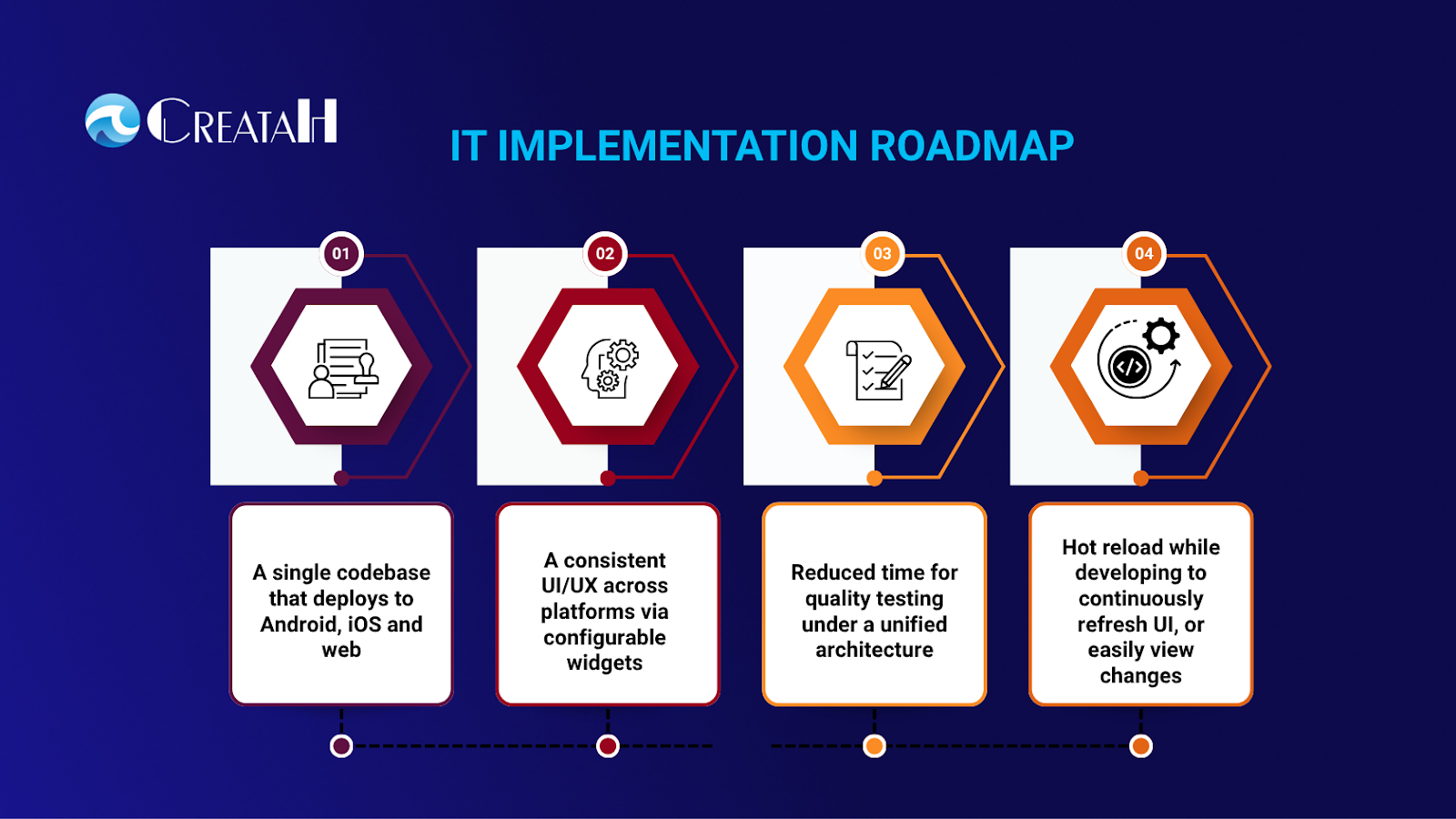
Some of the most significant Flutter eCommerce app advantages include:
A single codebase that deploys to Android, iOS and web.
A consistent UI/UX across platforms via configurable widgets.
Reduced time for quality testing under a unified architecture .
Hot reload while developing to continuously refresh UI, or easily view changes.
For brands trying to keep pace with today’s shopper, these also equate directly to agility, and delights the customer.
3. Electronically Enhancing Your Brand and Reducing Development Costs By Up To 40%
When developing a traditional native app, each platform requires in essence twice the work, once for Android, once for iOS. This also equates to double the costs, double the bugs and ultimately a longer time to delivery.
Flutter’s cornerstone solution eliminates game changing efficiencies. After a single, shared codebase is maintained, companies were able to reduce development and maintenance costs by up to 40%, according to multiple reports. In addition, its ready-made UI options and extensive open-source components reduce design time and development effort – enabling brands to emphasize growth and marketing over the engineering bottlenecks.
4. A Single Codebase Provides Double the Value: How Flutter Solves the eCommerce Multi-Platform Build
Flutter’s primary benefit is its “write once, run anywhere” methodology. By using one codebase, developers can achieve a native feel on both Android and iOS, with the potential to extend to the web.
This cross-platform consistency allows user experience to achieve the same checkout flow, feel, and speed on every device. This is an unquestionable benefit for eCommerce brands that rely on user experience to aid conversions.
Flutter’s architecture also enables easy integrations with payment gateways, CRMs, and analytics tools – a requirement of eCommerce’s modern ecosystem.
5. The Design Speed, to UX Stability Benefits of Using Flutter
While speed is important, a great user experience (UX) is what drives user repeat purchases. Flutter creates speed and exceptional UX.
Flutter’s rendering engine, Skia, can create phenomenal animated content and quickly loaded times. When combined with pixel-perfect UI widgets, you have perfect user experience from landing page to checkout.
Flutter apps are also resource-friendly, which greatly reduces lag on entry-level devices – which is critically important in emerging markets with much higher level of device diversity. This consistency in UX will lead to greater user engagement and higher conversion rates.
6.The Concealed Costs of Native App Development (and Flutter’s Benefits)
Many businesses fail to consider the cost of ongoing upkeep for two native apps. Once the app is built and delivered, all businesses incur ongoing costs for actions such as bug fixes, updates, and ensuring feature parity across both apps.
Flutter improves the process significantly by housing it all in one place – one update and one storage location, with no duplication. In addition, its modular architecture allows smaller teams to take on larger builds without losing quality.
So we aren’t only referring to a reduction in one-time development costs, but also ongoing operational savings, which makes Flutter a better investment for both startups and enterprises to consider.
7. Ideal Features to Incorporate into Your Flutter eCommerce App to Contribute to Conversion Rate Optimization
A great framework will have great features. Below is a brief outline of essential features that bring forward some of the key advantages of using Flutter for eCommerce applications, while also optimizing conversion rates:
-Smart product search with dynamic filtering and auto-suggestions
-Payment processing integration (Stripe, Razorpay, PayPal, etc…)
-Push notifications to pass along personalized offers
-Offline browsing/caching to enhance performance
In-app analytics for tracking journeys and behaviors
It’s a lot easier to create things like this with Flutter due to the expansive plugins and overall flexible architecture of Flutter apps.
8. Real Examples: How eCommerce Brands Scaled Faster with Flutter
More eCommerce start-ups and big brands are starting to use Flutter for its scalability. As an example, Alibaba explored Flutter to speed up part of their app ecosystem, and reduce load times while increasing UX.Reflectly and eBay Motors utilized Flutter in creating rich and interactive experiences not at the expense of performance.
These examples illustrate the way working with Flutter allowed brands to create a faster time to market without sacrificing the brand’s footprint across devices.
9. Flutter vs React Native for eCommerce: Which framework wins in terms of cost and UX?
While React Native and Flutter are often compared, Flutter clearly wins out when it comes to cost, UX, and performance.
Flutter compiles to native ARM code directly on a device rather than using a bridging layer like React Native. This means that apps using Flutter will execute more quickly and have fewer runtime errors. Flutter also has a better UI experience based on its richer options for customizations through its widget system, which React Native still does not have natively.
In eCommerce, where milliseconds can impact conversion, Flutter is the better future-focused option based on its responsiveness and stability.
10. Steps to Build a Cost-Efficient High Performance Flutter App
If you’re planning your Flutter eCommerce journey, these quick steps will help.
Determine your MVP scope and focus on only the key features that drive revenue.
Select your backend accordingly, (i.e. Firebase, Node.js, or Laravel can all integrate with Flutter easily).
Design your application for scalability, (hummingbird core IOS will require an ease of switching operation codes to modularize your code at once, or use state management like Provider, BLoC).
Test early and often- you can take advantage of Flutter’s built-in automated testing framework and the normal UX testing processes you’ve implemented into your design process.
Optimize your application for UX- maximize fast load times, ease of use for the audience (based on the product), and branding consistency.
Following this process leads to an eCommerce Flutter application that is lower-cost without compromising on usability, which is the underlying promise of using Flutter in development.
Building a Flutter app in eCommerce is not just a technology decision, it is a business strategy. Reduced costs, better user experience, greater scalability, and quicker time to market are all benefits for an eCommerce app built on Flutter.
Creatah Software Technologies makes a living on developing high-performance, low-cost Flutter application solutions for eCommerce brands regardless of the scale. We’re skilled in producing a way for an emerging D2C brand or larger retailer, we bring your app to the next level faster, smarter, and measuring impact.
