
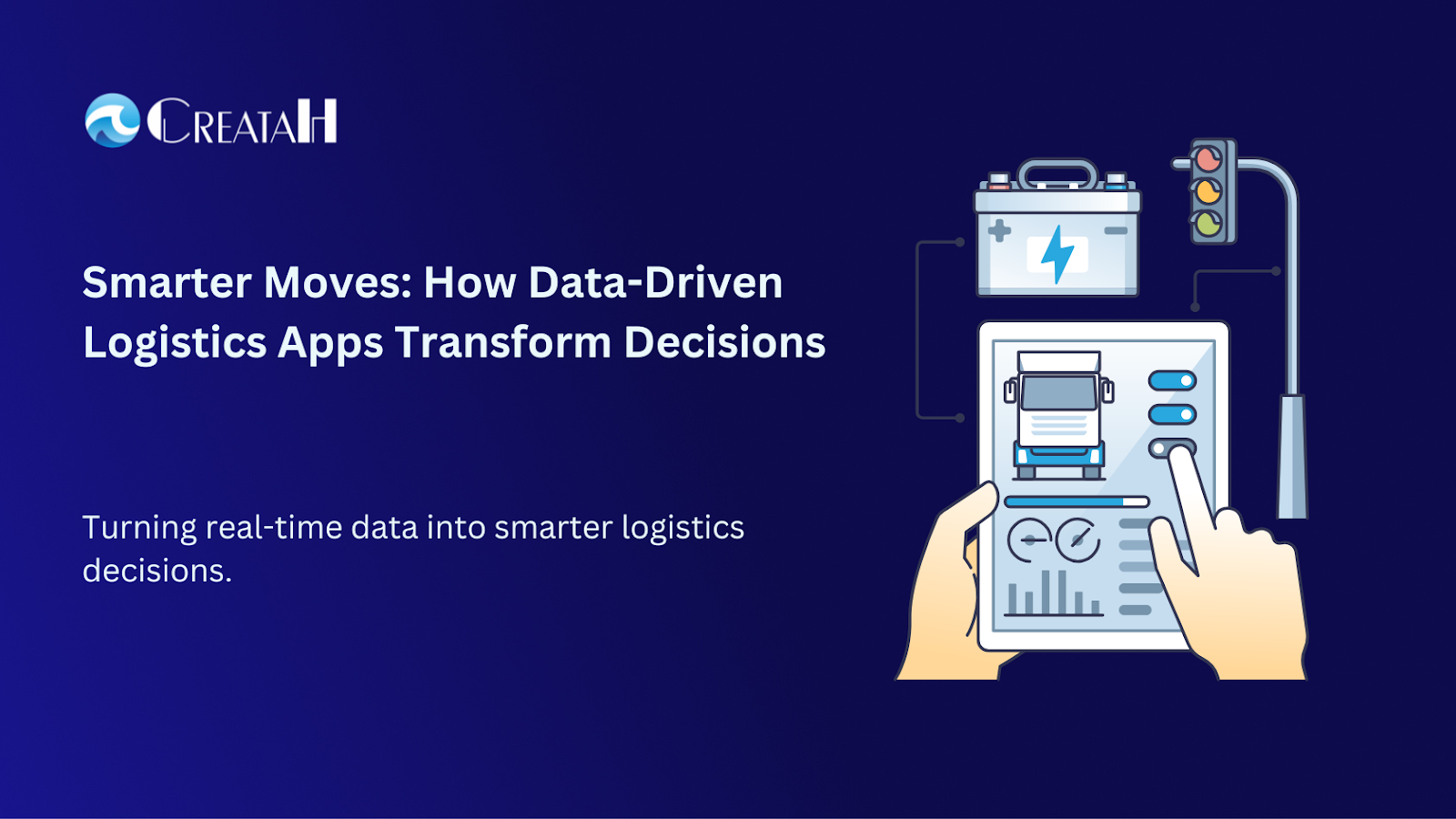
Data-Driven Logistics: Using Apps to Improve Decision-Making
Logistics today is changing in what we expect in a fast-paced supply chain rather than simply thinking about moving goods from point A to point B. Today’s success is about collecting, analyzing, and actioning real-time data as effectively and efficiently as possible. The emergence of data-driven logistics apps is leading supply chain decision makers towards proactive options and operational effectiveness and accuracy.
Why Data Matters in Logistics
Historically, logistics has relied on manual- planning, intuition, stomach feel, and historical records. While this works reasonably well, human judgement fails to reach flexibly to unexpected obstacles or occurrences such as:
- Sudden increases in demand.
- Increase in fuel prices.
- Supply issues as a result of regional or global disruptions (global pandemics or geopolitical).
- Disruptions due to inclement weather conditions or traffic delays.
Unlike before, today’s data-driven logistics apps incorporate live data streams and analytics capabilities to promote further informed choices. Logistics apps include route optimization, predictive demand planning – overall taking raw data in strategic ways that can save time, money, and overall satisfaction for customers, colleagues or employees.
Key Benefits of Data-Driven Logistics Apps
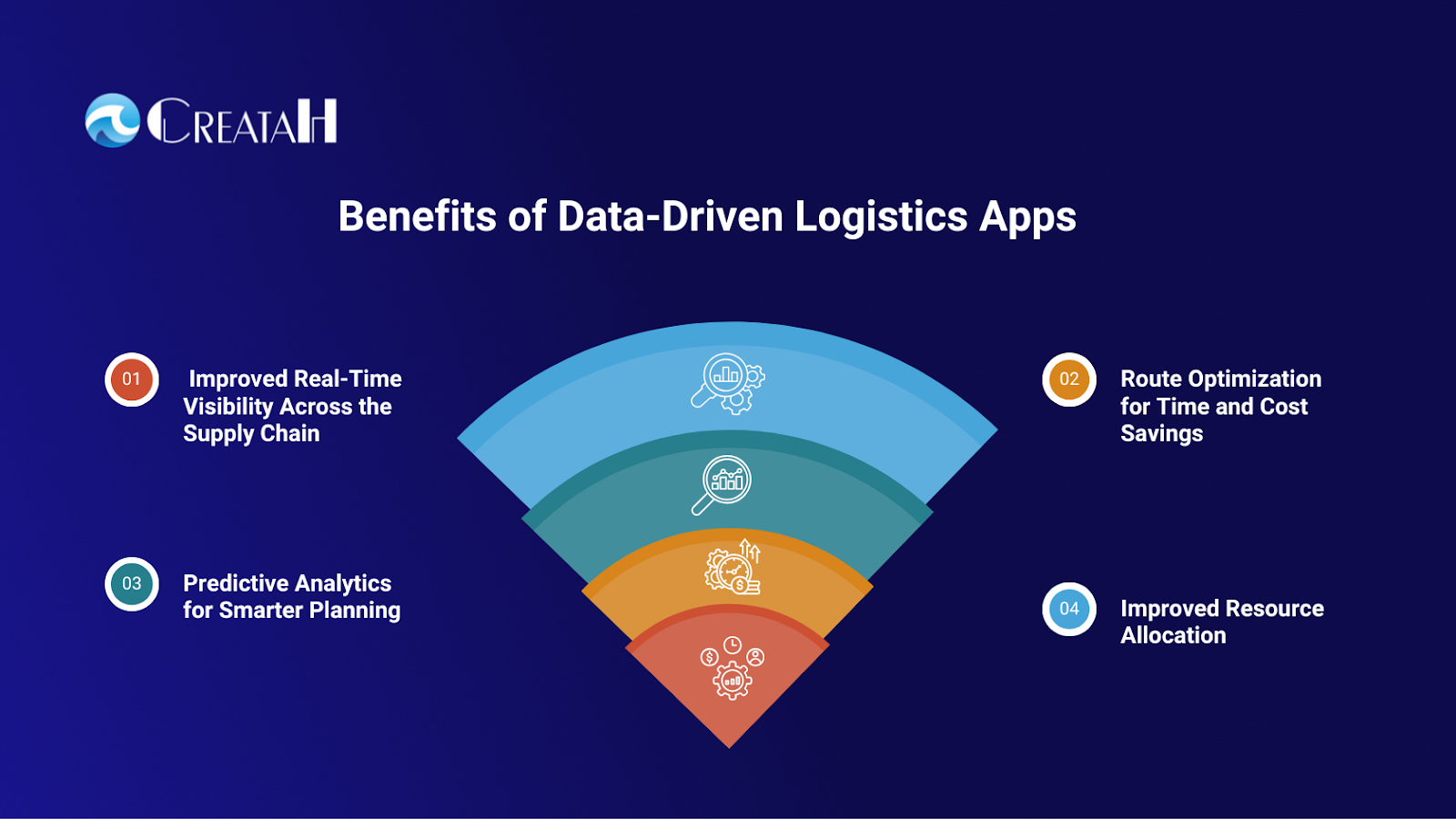
Here are three reasons how data-analytics powered logistics apps enhance decision making:
1. Improved Real-Time Visibility Across the Supply Chain
- Immediate location of shipments, vehicles, and inventory.
- Identify delays/disruptions in real-time.
- Deliver reliable and accurate ETAs to all customers.
2. Route Optimization for Time and Cost Savings
- Route Mapping powered by AI decreases fuel usage.
- Apps consider traffic patterns, weather and toxicity of loads to enhance efficiency
- Dynamic rerouting can help avoid delays that can be costly.
3. Predictive Analytics for Smarter Planning
- Look at historical demand trends from the past to predict future demand.
- Leverage relevant supposition to stop stock-depleting events from ever occurring, or to deal with overstocking events when they do occur.
- Better inventory control can diminish warehousing expenses.
4. Improved Resource Allocation
- Optimize use of the fleet, with proper driver deployments.
- Prevent resource depletion from underutilization or overworking.
- Utilized data will guarantee ongoing & long-term sustainable & equitable distribution of workload.
5. Enhanced Customer Experience
- Clients receive real-time and reliable updates for direct order tracking.
- Faster deliveries create band loyalty
- Transparency builds a partnership.
6. Risk Management and Compliance
- Establish risk potentials: shipment theft, accidents, etc.
- Track compliance with transportation laws that vary by region.
- Avoid penalties by maintaining detailed records that allow you to have data backed evidential support.
Core Features of Data-Driven Logistics Apps
When businesses utilize one of these apps, they have one or more features, like:
- GPS Tracking & Telematics – Trace the health of your vehicle while monitoring driver habits, safety and location.
- Data Dashboards – View Key Performance Indicators to track performance in real-time.
- AI & Machine Learning Integration – Predict patterns in demand, while also identifying anomalies in behaviour.
- Automated alerts – Be notified instantaneously of shipment delays or route changes.
- Integration with ERP/CRM Systems – Link data across the entire array of functions with their business for holistic decision-making.
Real-World Applications
1. Fleet Management
A logistics app that is founded on data allows a transportation company located in Tirupur to save on fuel costs through route optimization, reducing idle time, and scheduling preventative maintenance.
2. Warehousing Efficiency
Retail companies are able to eliminate excessive storage delays by tracking inventory changes, and automating the reorder process ensuring products get new life through fast inventory turnover.
3. E-commerce Deliveries
Apps are able to assist online retailers with fulfillment of same day or next day deliveries by optimizing courier assignments as well as providing end customers with real-time tracking on their delivery.
4. Global Supply Chains
Apps provide exporters with the ability to track customs and shipping delays while remaining keenly aware of global port congestion, allowing businesses to seek alternatives quickly when needed.
Challenges in Implementing Data-Driven Logistics Apps
While the advantages are significant, businesses must address:
- High Initial Setup Costs – the investment is high at the start and many small businesses may be turned off by the expenditure, although long-term ROI is reasonable
- Data Security Risks – Companies want their entire supply chain to remain confidential, thus security around data must remain invulnerable to cyberattacks
- Change Management –Employees are resistant to abandoning manual ways of conducting logistics for the application process
- Integration Complexities – The applications must integrate with existing IT infrastructure taking care to not create silos.
These challenges all can be confronted through a partnership with the appropriate technology supplier in a phased implementation that includes training and cybersecurity procedures.
The Future of Logistics Is Data-Driven
As technology progresses, so too will the role of data-driven logistics applications.
- IoT (Internet of Things) – Smart sensors on shipments that will communicate temperature, humidity and possibly other conditions.
- Blockchain – Secure digital records that promote transparency and trust.
- AI-Powered Predictive Maintenance – Automated alerts to notify fleets or personnel of impending issues before breakdown.
- Autonomous Vehicles & Drones – Utilizing data from logistics to operate safely and efficiently.
Businesses that are early adopters of these technologies will enjoy a first mover advantage in operating efficiency, cost management and customer experience.
When speed, accuracy, and transparency are the success factors in today’s world, data-driven logistics applications are not just an innovation, they are a requirement. Enabling better decision-making, reducing costs, and enhancing customer experiences puts data-driven logistics applications at the center of the logistics future.
At Creatah, we are experts in developing customized mobile and web-based logistics applications, creating value for your business based on real-time insights, analytics, and predictions. Whether you’re managing fleets, warehouses, or full end-to-end supply chains, we’re here to ensure you stay ahead of the curve in an increasingly data-driven world.
