

How Fitness Apps Are Customizing Workouts for Different Age Groups
Fitness apps have dramatically evolved the way people view and manage health and fitness, enabling a convenient, flexible, and personalized way to live healthy and active lives. One of the more exciting new innovations of fitness apps has been the creation of workouts designed for different age groups. The intention of these applications is that fitness needs are recognized as changing as a person ages and thus have been programmed for a specific audience with their physical skills and limitations in mind with the goal of enabling enjoyable, safe, and effective workouts for different age groups.
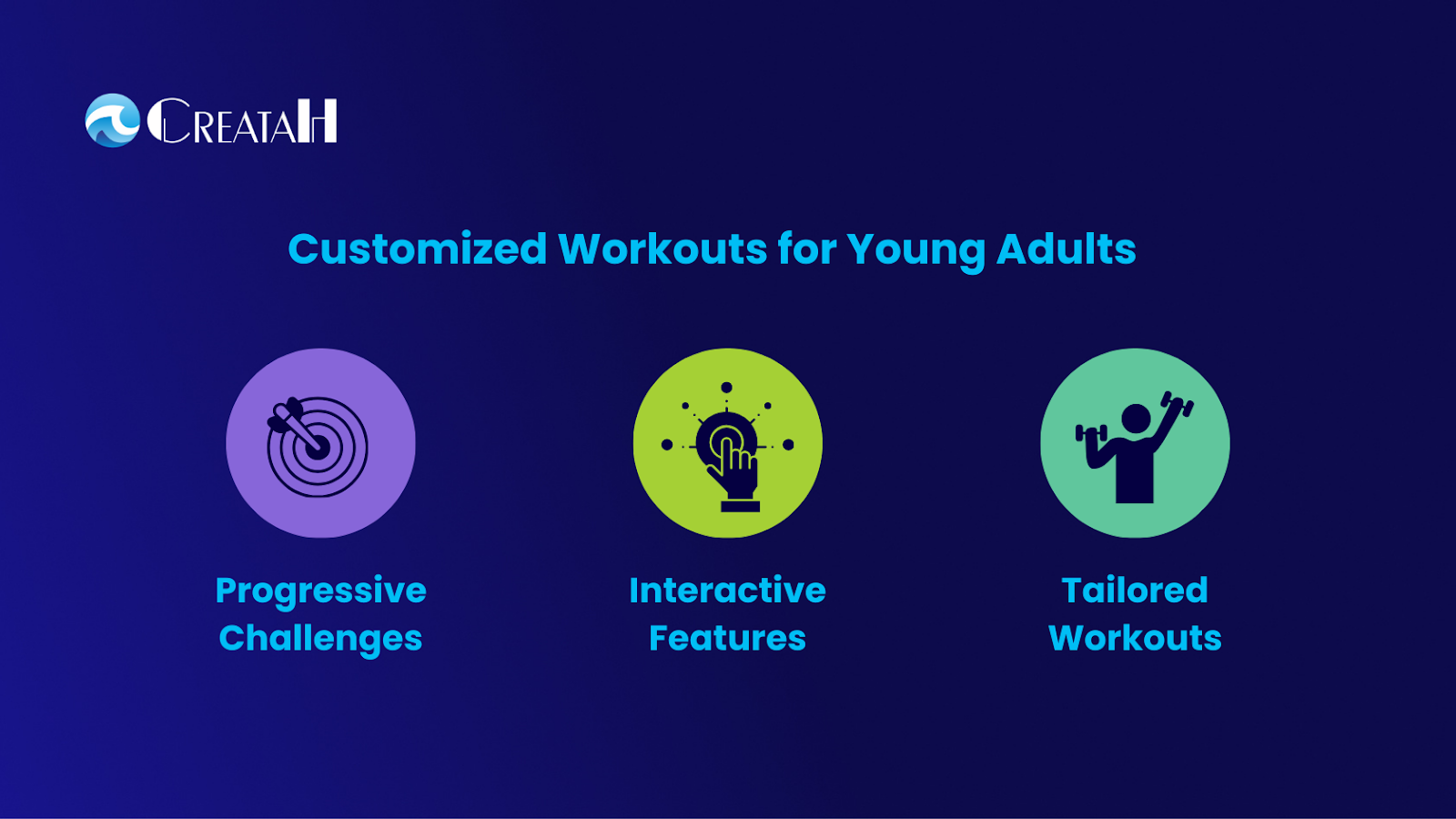
Customized Workouts for Young Adults (ages 18-35)
For young adult populations, fitness apps tend to concentrate on high-intensity workouts and strength training, and cardiovascular workouts to improve endurance, strength, and muscular definition. Generally, the fitness app will include an individual fitness plan specially customized to the individual user based on their fitness goals, i.e., developing muscularity, appropriate weight loss, or improved fitness.
Tailored Workouts. With tailored workouts, fitness apps can utilize and integrate sophisticated algorithms that will enable users to develop a series of workout plans based on their fitness levels, goals, and/or interest. For example, if you search for strength-training exercises in a fitness app, the app could provide multiple complex exercises that include weight lifting, high-intensity interval training (HIIT), and/or aerobics, including dance-based workouts.
Progressive Challenges: The fitness app can include functions, such as, streaks, badges and/or progress functions that will challenge younger users to progress further in their workouts.
Interactive Features: There are even numerous fitness apps that include live classes, social challenges, and/or gamification elements to promote engagement and fun for the younger adult user.
Fitness for Middle Aged Adults (36-50)When users reach sophisticated years, specifically starting in their 40s and 50s, their fitness needs will change.
Fitness applications for this age group emphasize joint protection, muscle retention, and flexibility. Generally, workouts that these apps provide for this audience are low impact but still designed to improve strength, mobility, and cardiovascular health.
Low impact options: For this demographic, fitness applications have a greater variety of low-impact exercise options such as yoga, pilates, or swimming workouts to prevent joint stressing while preserving strength and flexibility.
Recovery focused workouts: Many fitness apps also provide routines marketed specifically towards recovery, stretches, and improving posture, all of which are an important part of fitness for a middle-aged audience.
Health monitoring: Through technology and devices, apps also can monitor heart rate, quality of sleep, or stress to keep middle-aged adults healthy and balanced.
Teens to Adults (Age 18 – 50)
For young and middle aged adults, fitness apps are targeted towards the maintenance of mobility, prevention of falls, improved balance, and overall health. Workouts are very gentle on their bodies, but still improve strength, flexibility, and endurance.
Gentle safe workouts: Fitness apps for older adults have low impact exercise options that are light on the joints such as walking, stretching, and body weight exercises. Fitness apps will also have balance and coordination exercises, which are necessary to minimize fall risk.
Guided movement and cues: Most fitness apps give step-by-step instructions with audio/visual cues to help an older adult exercise without risk of injury while still working the right muscle groups.
Health integration: Fitness applications for older adults will integrate health monitoring devices, heart rate monitors or pedometers, to ensure the user does not exceed their safe workout limits.
Advantages of Specific Fitness Programming for Each Age Cohort
The major advantage of programming workouts specific to age cohorts is that they provide appropriate challenges for each group, improving physical health outcomes while minimizing injury risks.
- Youth benefit from higher-intensity workouts that build muscle mass and endurance.
- Middle-aged adults gain more from routines that emphasize joint health, flexibility, and recovery.
- Older adults need exercises that maintain mobility and overall health without stressing the body or increasing fall risk.
Fitness apps are no longer a one-size-fits-all solution—they are evolving to meet the unique needs of different age groups. By tailoring workout plans for younger users, middle-aged adults, and older adults, these apps empower people to stay fit, healthy, and active at every stage of life.
Behind this evolution is mobile app development, which plays a crucial role in integrating personalized features, adaptive workout plans, and age-specific tracking capabilities. With the right development approach, fitness apps can deliver inclusive, safe, and effective fitness journeys for users across generations.
Whether the goals are strength, flexibility, or fall prevention, fitness apps are providing the resources to help users achieve fitness without injury. As fitness apps continue to improve, the programs will be important to help people stay active and healthy as they age through life. Creatah provides tailored app development solutions to fitness businesses that want to introduce customized fitness experiences in their fitness applications. Contact us today to learn how we can help you create an engaging fitness app with customized features for all age groups.
